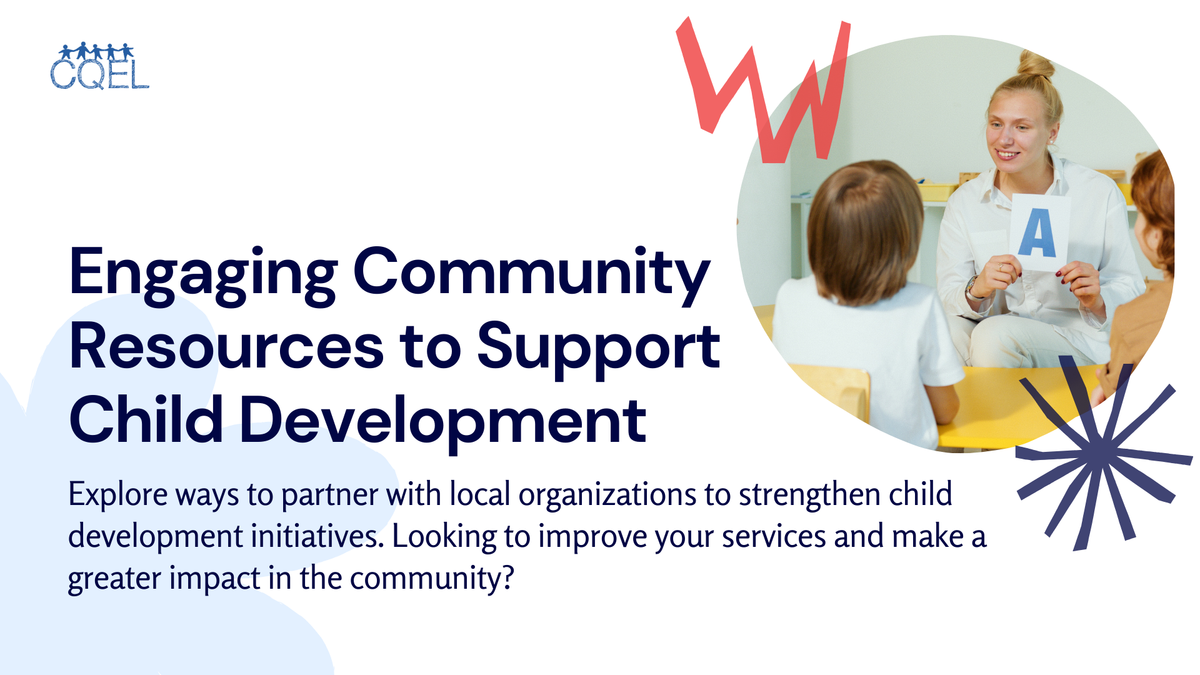
Engaging Community Resources to Support Child Development
Discover how to collaborate with local organizations to boost child development programs. Want to enhance your offerings and community impact? Learn more here.
Building partnerships with local organizations not only enriches your program offerings but also fosters a sense of community and shared purpose. This collaborative approach allows you to leverage the strengths and resources of various local entities, creating a more diverse and dynamic environment for participants.
“Alone we can do so little; together we can do so much.” – Helen Keller
When you partner with local organizations, opportunities for innovation and expanded reach become more attainable. It’s about finding symbiotic relationships where both parties benefit. Here are a few strategies to help you begin:
- Identify Shared Goals: Start by defining common objectives with potential partners. Whether it's community engagement, educational initiatives, or cultural enrichment, clarity in purpose will guide your collaboration.
- Assess Complementary Resources: Analyze what resources each organization can bring to the table, be it expertise, volunteers, venues, or funding.
- Establish Clear Communication: Set regular check-ins to ensure all parties remain aligned and can address any emerging challenges swiftly.
- Celebrate Successes: Public recognition of joint achievements can strengthen partnerships and encourage future collaborations.
How can local organizations contribute to child development programs?
Local organizations play a pivotal role in enriching child development programs by offering diverse perspectives and resources. These organizations often understand the unique dynamics and needs of their communities, allowing them to tailor their contributions effectively.
For instance, local health clinics can provide valuable insights and support regarding children's health and wellness, ensuring that programs address both physical and mental development. Similarly, cultural organizations can introduce children to a variety of cultural experiences and traditions, fostering inclusivity and broadening their worldviews.
Moreover, by engaging local businesses, programs can benefit from financial sponsorships, mentorship opportunities, or in-kind contributions like supplies and technology. These businesses often have a vested interest in the success of community programs since they directly impact the local economy and future workforce.
In essence, partnerships with local organizations create a symbiotic relationship. They empower child development initiatives to become more comprehensive and impactful while allowing organizations to fulfill their social responsibility, enhance their community ties, and maintain their relevance within the local landscape.
What types of community resources are beneficial for enhancing child development?
Community resources come in all shapes and sizes, each offering unique benefits for nurturing child development. A critical resource you can consider are community centers. They often serve as hubs for families and children, providing activities like recreational sports, art classes, and language lessons. These programs not only enhance physical and creative skills but also facilitate social interaction, which is crucial for emotional development.
Another invaluable resource is local libraries. Libraries offer more than just books; they provide a quiet space conducive to learning, along with programs such as story hours, reading clubs, and educational workshops. These resources boost literacy and cognitive skills, opening up a world of knowledge and imagination for young minds.
Don't overlook supportive services such as tutoring and mentoring programs. These initiatives can be particularly beneficial for academic growth, helping children overcome challenges in specific subject areas while building confidence. Additionally, mentors play a vital role in modeling positive adult behavior that can inspire and guide children through their developmental stages.
Parks and recreational facilities also contribute significantly by providing spaces where children can explore and play in safe environments. The freedom to run, climb, and engage in physical activities supports motor skill development and overall health, while nature itself acts as a calming presence that reduces stress and anxiety.
Finally, consider engaging with local nonprofit organizations. These entities often offer specialized programs tailored to various aspects of child development, such as emotional support groups, arts initiatives, or specific educational programs. By leveraging these resources, you can create a holistic environment that nurtures not just the intellectual but also the emotional and social growth of children.
What are effective strategies for collaborating with community partners?
Effective collaboration starts with understanding shared goals. Begin by identifying what you and the community partners aim to achieve together. This creates a solid foundation for your collaboration effort, ensuring that every party is working toward a common purpose.
Face-to-Face Meetings: Organizing regular in-person meetings is instrumental in building a strong relationship. These meetings allow for open communication, the sharing of ideas, and problem-solving in an interactive manner. Face-to-face interactions help deepen trust, paving the way for a more cooperative working environment.
Open Communication: Keeping communication channels open is essential. Whether it's through emails, phone calls, or virtual meetings, ensure that all parties can freely express their thoughts, ideas, and concerns. Regular updates and feedback can prevent misunderstandings and keep the project on track.
Sharing Successful Examples: Nothing speaks louder than success stories. By highlighting examples of past successful collaborations, you can inspire your current partners and provide concrete models to emulate. Collaborating partners can analyze these examples to adapt innovative methods and practices beneficial to their own objectives.
Leveraging Resources: One of the most significant advantages of working with community partners is the ability to pool resources. Whether you are sharing space, staff, or materials, efficient allocation of resources can lead to cost-effective and enhanced program offerings. It's important to identify what each partner brings to the table and utilize these assets wisely.
As you progress in your collaboration efforts, always remember to celebrate small wins and achievements. Recognizing and acknowledging contributions keeps team morale high and fosters a sense of shared achievement, crucial for long-term collaboration success.
How do community partnerships improve child development outcomes?
Community partnerships play a pivotal role in enhancing child development outcomes by integrating diverse resources and expertise. When local organizations and educational institutions join forces, they create a multifaceted support network that can significantly uplift the child development landscape. This collaboration brings specialized skills and resources directly to children, ensuring that their unique needs are met efficiently.
Moreover, such partnerships often lead to the implementation of innovative and tailored programs that address specific community challenges and goals. By aligning their efforts, partners can offer enriched learning experiences beyond traditional classroom settings—such as project-based learning opportunities involving local professionals, facilitating a more immersive educational experience.
Additionally, community partnerships cultivate a nurturing environment where children can develop social, emotional, and cognitive skills. The collaborative approach guarantees that children have access to a range of services that support their holistic development, including health services, mentorship programs, and extracurricular activities. This integrated support not only enhances individual child outcomes but also contributes to building a more cohesive and empowered community.
Furthermore, partnerships often mean sustained and long-term commitment to child development, offering continuous evaluation and adaptation of programs to meet evolving needs. The dynamic nature of these collaborations ensures that children receive updated and effective interventions, making a lasting positive impact on their growth and future prospects.
How can schools and community organizations work together to support children?
When schools and community organizations join forces, a powerful platform emerges that fosters growth and learning beyond the conventional classroom. Such collaborations can take many forms: after-school programs, mentorship opportunities, or joint educational initiatives. By tapping into the expertise and resources of local entities, schools can enhance the array of programs available to students.
Engagement Through Events: Organize community events where schools and organizations partner to provide workshops, cultural activities, or health fairs. These activities not only enrich students' learning experiences but also involve parents and the broader community in the educational journey, creating a nurturing environment.
Joint Curriculum Development: Schools can collaborate with professional organizations to develop curriculums that reflect real-world scenarios. This could include guest lectures from industry experts or field trips that provide practical insights into various careers, helping students connect classroom learning with real-world applications.
Resource Sharing: By sharing resources, such as facilities or technology, schools and community groups can maximize their offerings without duplicating efforts. For example, a local library might offer its resources for a school's after-school program, enhancing the literacy opportunities available to students.
Regular Communication Channels: Establishing regular meetings or a communication channel can ensure continuous dialogue and adaptation of strategies. It allows both schools and community organizations to align their goals and assess the needs of students more effectively.
Ultimately, a keen emphasis on collaboration and open communication can transform the educational landscape, making a profound impact on children's academic and holistic development. It’s a collective journey, one that holds the promise of enriched opportunities and stronger community ties.
How can parents engage with community resources to support their child's growth?
Parents play a crucial role in nurturing their child's growth and development. Engaging with community resources can be an enriching experience that not only benefits children but also strengthens the family unit as a whole. Here’s how you can make the most of what's available in your community:
- Research Local Offerings: Start by identifying the range of resources available in your community. These might include libraries, recreational centers, parenting workshops, or educational programs designed to support child development.
- Build Relationships: Becoming familiar with the people who manage and run local organizations is essential. Attend community meetings and networking events. By building a rapport, you can become more informed about future opportunities and how to best engage with them.
- Participate Actively: Once you know what’s available, dive in! Whether it's joining a local playgroup, attending educational seminars, or volunteering, active participation helps in familiarizing yourself with useful resources and forming a supportive network.
- Share Feedback: Community resources flourish when feedback is actively exchanged. Sharing your thoughts with program organizers can enhance the quality and relevance of the offerings. Your insights can help tailor programs to better suit the needs of your children and others.
- Embed Cultural Relevance: Look for or suggest programs that align with your cultural values and beliefs. This ensures the engagement is meaningful and enriching for your children, making them feel connected to their heritage while learning new skills.
By taking an active role in accessing and utilizing community resources, you contribute to an enriching environment that supports not just the educational journey of your child but also fosters community spirit and empowerment.
What are some examples of successful community collaborations for child development?
One inspiring example of successful collaboration for child development is the partnership between a local library and a youth center. Together, they designed a literacy program targeted toward elementary school children. The program provided interactive reading sessions, storytelling workshops, and access to a wide range of books. By merging resources and expertise, they fostered a love for reading and improved literacy skills among participants.
Another success story involves a coalition between public health organizations and schools. This collaboration focused on promoting physical wellness through fun, engaging activities. They organized community sports events and health workshops, providing children with essential opportunities to stay active while learning about healthy living.
In another notable example, a nonprofit organization teamed up with local artists to introduce an arts mentoring program. This initiative aimed to nurture creativity and develop artistic talents, providing children with valuable outlets for self-expression and emotional growth. The program also facilitated art showcases, enabling young artists to share their work with the community.
These examples demonstrate the power of community collaborations in unlocking children's full potential. They show how strategic partnerships can offer a rich array of experiences that contribute to positive development outcomes.