
Utilizing Local Flora: Creating a Sustainable and Educational Outdoor Space
Discover how native plants can transform outdoor learning spaces. Want to teach kids about sustainability and ecosystems? Explore the benefits of local flora.
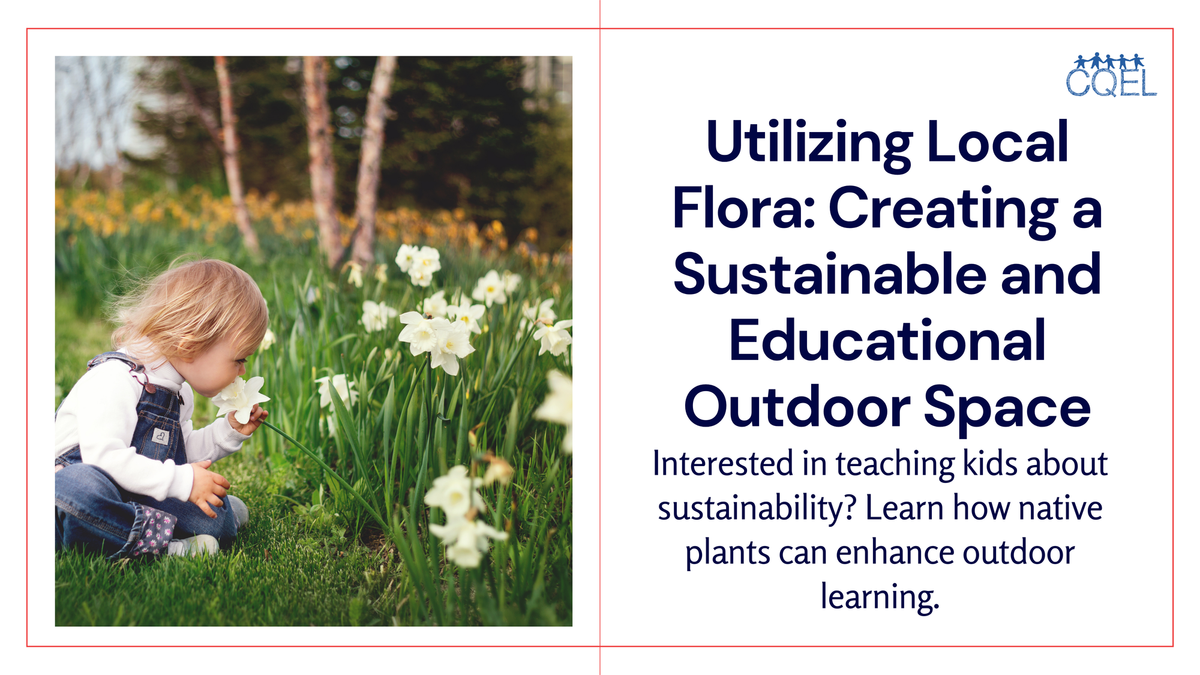
Imagine stepping into a vibrant garden classroom where children explore, learn, and play surrounded by native plants that are not only beautiful but also crucial for teaching sustainability. Native plants offer a unique opportunity to connect young learners with the environment, providing an immersive experience rooted in real-world ecological principles. These plants naturally thrive in their local regions, making them perfect for outdoor learning environments.
"By incorporating native plants into educational spaces, we create a living laboratory where children can observe, interact, and learn about their local ecosystems first-hand."
From enhancing biodiversity to supporting wildlife, native plants are sustainable superstars. They help educators foster a deeper understanding of environmental stewardship among students. Let's explore how these natural wonders can transform any educational landscape into an engaging hub for discovery and learning.
The Importance of Native Plants in Education
Engaging students with native plants transcends traditional learning by enriching their understanding of ecological principles and sustainability. Native plants, unlike imported species, are adapted to local climates and conditions, making them ideal for teaching children about biodiversity and the specific roles these plants play within their ecosystems. This active form of education inspires curiosity and a sense of responsibility towards preserving natural resources.
Moreover, native plant gardens serve as living campuses where students can observe firsthand the dynamic interaction between flora and fauna. This fosters observational skills and critical thinking as children witness how native plants attract birds, butterflies, and various insects, thereby supporting a thriving, miniature ecosystem just outside their classroom. Each visit offers something new, whether it be the sight of blooming flowers or the buzz of pollinators at work.
Ultimately, incorporating native plants into education is a gateway to deeper environmental stewardship. Students learn not only the names and characteristics of local flora but also their importance in supporting life, including their own. By understanding these interconnected relationships, children are more likely to appreciate and advocate for the protection of their environment, developing into informed custodians of the planet.
Practical Tips for Incorporating Native Plants in Schools
Start by assessing the school's current outdoor areas to identify potential spaces for a native plant garden. Aim for areas that receive ample sunlight and are conveniently located for student access and observation. Collaborate with local gardening experts or ecological organizations to gain insights into the best native plant selections for your area.
Engage the School Community: Involve students, teachers, and parents in the planning and planting process. Organize workshops and invite guest speakers who are knowledgeable about native flora. This collaboration fosters a sense of shared responsibility and strengthens community bonds.
Create Learning Modules: Design instructional materials that integrate native plant studies into various subjects such as science, art, and even mathematics. For example, measure plant growth or study the geometric patterns in leaf structures. These practical applications make learning more tangible and memorable.
Start Small, Think Big: Initiate small pilot projects to introduce native plants into the school environment. Once these smaller gardens are successful, expand them into larger scale endeavors. Incremental progress ensures manageability and allows for adjustments based on initial observations.
Consider scheduling regular maintenance activities that can be integrated into classes. This not only keeps the garden healthy but also provides continuous learning opportunities. Native plant gardens can be a dynamic part of the school's educational landscape, nurturing both student growth and environmental respect.
Cultivating a Love for Nature Through Native Flora
Native plants serve as gateways to a deeper understanding of the natural world, drawing children into a life-long relationship with their environment. By engaging with local flora, students not only learn to recognize the plants that grow in their area but also become acquainted with the intricate relationships these plants have with the surrounding wildlife. This connection fosters a sense of responsibility, encouraging students to think critically about how their actions impact these ecosystems.
Interactive projects, such as planting and nurturing a native garden, allow children to experience the beauty of nature firsthand. As students get their hands dirty, they witness the cycles of growth and change, sparking curiosity about ecological processes. This hands-on learning is crucial because it provides tangible evidence of the concepts taught in the classroom, making lessons about sustainability and ecological responsibility vivid and memorable.
Moreover, the sensory qualities of native plants—such as the rustle of leaves in the wind, the vibrant colors of blooms, and the unique scents of various species—captivate young minds, creating a multi-sensory experience that enriches their educational journey. These experiences ground students in the reality of the living world, nurturing a compassion for all living things and instilling an appreciation for biodiversity that they carry with them beyond school grounds.
Designing Sustainable Outdoor Classrooms
When envisioning a sustainable outdoor classroom, think beyond just placing desks and chairs amidst the trees. Instead, imagine a dynamic ecosystem where nature itself becomes part of the instruction. By incorporating native plants into the design, you create a space that not only complements the lessons in sustainability but also actively participates in them.
A natural set-up encourages exploration. Children can meander through pathways bordered by wildflowers, each turn revealing a new type of flora that supports local wildlife. This setup fosters both curiosity and a sense of connection to the environment. What better way to understand plant life cycles or pollinator relationships than by observing them firsthand?
Flexibility is key: Consider modular elements that can be shifted according to the types of lessons being conducted. Moveable seating, story circles around native shrubs, or raised plant beds for interactive science projects can make learning adaptable and accessible. Additionally, incorporating weather-resistant materials ensures the space remains functional throughout the year, allowing students to experience and learn from all seasons.
By prioritizing shade trees and strategic plant placement, you'll also contribute to energy conservation for nearby buildings by reducing cooling costs in warmer months. This aspect of outdoor classroom design not only teaches students about direct environmental impact but can also spark discussions around the broader topic of climate action.
As you integrate these elements, keep in mind the value of multi-sensory engagement. Native plants offer varied textures and fragrances that enliven educational activities. Students may find delight in the rustling of leaves or the gentle scent of native rosemary bush, providing an immersive experience that traditional classrooms often lack.
In conclusion, crafting a sustainable outdoor classroom is about more than just aesthetics; it’s about creating an interactive space where groundwork in environmental stewardship begins and lifelong connections with nature are cultivated.
Exploring Biodiversity with Local Flora
By integrating native plants into your school's garden, you provide a living laboratory where students can explore and interact with local biodiversity firsthand. This hands-on experience enriches their understanding of how plants, animals, and insects rely on each other within an ecosystem. When students observe Pollinators like bees and butterflies visiting native flowers, they witness ecological interactions that sustain life.
Encourage students to document these interactions through nature journals, photography, or sketches. This not only fosters observational skills but also sparks curiosity about the various life forms supported by native flora. Furthermore, these activities can seamlessly integrate into science and art curriculums, promoting cross-disciplinary learning.
Additionally, learning to identify different species of native plants and their unique characteristics empowers students. It encourages them to appreciate the richness of their local environment being an active part of the ecosystem. Engaging with local flora also enhances awareness of environmental conservation, driving a sense of responsibility towards protecting natural habitats.
Creating Wildlife Habitats in School Gardens
By incorporating native plants into school gardens, you're not just planting vegetation—you're fostering thriving wildlife habitats. Native plants have evolved alongside local fauna, making them ideally suited to support a variety of insects, birds, and other critters. Optimize your garden by selecting a diverse range of species that offer food and shelter throughout the seasons. For instance, flowering native perennials can provide nectar for pollinators, while native grasses may offer seeds and nesting material for birds.
Wouldn't it be exciting for students to see birds feeding on berries, watch butterflies fluttering from flower to flower, or discover tiny insects that call your garden home? These experiences deepen their understanding of intricate ecological relationships and the importance of each organism in a healthy ecosystem.
Consider including elements like water features, rock piles, and brush shelters to further enhance the habitat. These additions not only provide necessary resources for wildlife but also create a more engaging and dynamic outdoor classroom environment. As students observe these lively interactions firsthand, they become more connected to nature, learning valuable lessons in conservation and environmental stewardship.
Remember, the goal is to create a space where nature does the teaching. Encourage student participation in the design and maintenance of the habitat, allowing them to feel a sense of ownership and pride. Together, you're cultivating a sustainable environment that can teach and inspire for generations to come.
Building Community Through Sustainable Gardening
Incorporating native plant gardens in schools presents a unique opportunity to strengthen community ties. From planning stages to planting days, involving local families, students, and volunteers transforms these projects into a collaborative enterprise. It's not just about planting seeds—it's about planting a sense of belonging and shared responsibility.
Local volunteer native plant groups can play a significant role. Their expertise not only aids in the garden's success but also enriches community knowledge. These collaborations offer students, teachers, and parents a chance to learn together, fostering mutual respect and a deeper appreciation for local ecosystems and sustainable practices.
To ensure continuous care and engagement with the garden, consider organizing a rotation schedule for different classrooms to take responsibility for its upkeep. This approach can instill a sense of ownership and accountability among students while ensuring that each class gets the opportunity to participate in hands-on learning experiences. By rotating tasks such as watering, weeding, and observing plant growth, students can develop a routine that promotes teamwork and a consistent connection to the natural environment. Such a shared responsibility model can double as a practical lesson in sustainability, illustrating how collective efforts contribute to the well-being of our ecosystems.
Moreover, sustainable gardening exemplifies stewardship. As gardens grow, they become not only a space for learning but a community hub where nature enthusiasts of all ages gather, share experiences, and celebrate milestones. For schools, this lasting impact extends beyond the classroom, creating a legacy of environmental mindfulness that can inspire future generations.
Seasonal Changes and Their Lessons in Local Flora
Observing the seasonal changes in native plants can be a captivating experience for children, offering dynamic insights into the cycles of nature. Spring might bring vibrant blossoms and fresh greenery, inviting lessons on plant life cycles and the importance of pollinators. Transitioning into summer, the focus shifts to growth and the survival strategies plants adopt, such as water conservation and heat tolerance. Come fall, the transformation of leaves and seed dispersal methods offers a natural segue into discussions about plant reproduction and preparation for colder months. Winter, though stark, provides a unique opportunity to explore dormancy and resilience, emphasizing adaptation in harsh conditions.
Engage students actively by encouraging them to document these transformations in a nature journal. By noting the myriad colors, textures, and animal visitors throughout the seasons, they develop a deeper understanding of how native plants play vital roles in local ecosystems. This hands-on approach fosters a connection between academic learning and real-world observation, cementing awareness and appreciation of nature's cyclical beauty.
What are some examples of native plants suitable for school gardens?
When selecting plants for a school garden, it's essential to consider those that thrive in your region's climate and soil conditions. Some popular choices among educators are plants like the black-eyed Susan, columbine, and bee balm. These species are not only sturdy and well-adapted to local conditions, but they also bring vibrant colors and attract pollinators, offering an interactive learning experience.
Choosing native plants offers an excellent platform to teach students about biodiversity. For instance, the black-eyed Susan is known for its bright yellow petals and is a favorite among butterflies and bees, providing a fantastic way to explore pollination concepts. Similarly, the columbine, with its vivid blooms, can thrive in various landscapes, making it a versatile addition to any garden setting.
To discover more native plant options suitable for your garden, consider visiting a local nursery. Here, you can find a diverse array of plants specifically chosen for your area's climate, ensuring that they're not only beautiful but sustainable as well. Additionally, this process offers an opportunity for students to exercise research skills, deepening their connection to local ecosystems.
Online resources, such as the Pollinator Conservation Resource Center, also provide valuable information on native plant recommendations and sustainable gardening practices. This exploration is a gateway to engaging with your local community by reaching out to experts and volunteers who can offer guidance and knowledge.
Furthermore, incorporating native plants into school gardens empowers students to reflect on the impact of their choices on the environment. By observing the thriving biodiversity they encourage, students gain firsthand experience of the integral role these plants play. This firsthand exposure not only enhances their understanding of sustainability but also seeds a lifelong appreciation for the natural world.
How can teachers incorporate lessons about native plants into their curriculum?
Integrating lessons about native plants into your curriculum can be a rewarding educational experience for your students. Begin by incorporating research projects that focus on identifying local plant species. This activity not only enhances research skills but also instills a sense of connection with the environment. Encourage students to create detailed plant profiles that include information about their ecological roles and benefits.
Field trips to local parks or botanical gardens can offer interactive learning opportunities. During these excursions, students can observe native plants in their natural habitats. You might consider organizing a planting day at the school, allowing students to participate actively in creating a native plant garden. This hands-on approach reinforces learning and encourages environmental stewardship.
Incorporate interdisciplinary lessons by connecting native plants to subjects like art and science. For example, students can draw or paint their favorite native plant or explore the chemistry behind plant growth and photosynthesis. This multifaceted approach ensures that students see the relevance of native plants beyond the science classroom, enriching their overall educational experience.
By weaving native plant lessons into various subjects, you help students develop a holistic understanding of their environment, fostering an appreciation for sustainability and biodiversity that can last a lifetime.
What are the challenges of maintaining a garden with native plants in schools?
While native plant gardens offer educational and ecological benefits, maintaining them in a school setting comes with its own set of challenges. One primary hurdle is the need for specific knowledge about the native species and their ecological requirements. Unlike more common garden plants, native flora may demand unique soil compositions, light conditions, and water regimes.
An additional consideration is resource availability. Schools may face budget constraints, making it difficult to procure necessary materials or hire skilled staff for garden maintenance. Incorporating native plants requires an ongoing commitment; these plants, while generally more resilient, may still need care and attention, especially during their initial establishment phase.
There's also the question of seasonal variability. Native plants are adapted to specific climatic conditions and may exhibit noticeable seasonal changes. This can be both an advantage for educational purposes and a challenge, as gardens may appear barren during certain periods of the year, potentially discouraging engagement.
Finally, a garden’s success hinges on community involvement. Sustained interest and participation from students, teachers, and the wider community are vital, yet can be difficult to maintain over time. Encouraging a culture of collaboration and stewardship is crucial to overcoming these challenges and ensuring the native plant garden becomes a thriving part of the school’s educational landscape.