
Addressing Socioeconomic Disparities in California's Child Care
Explore how California can bridge the gap in child care access. What solutions can ensure all families, regardless of income, receive equitable support?
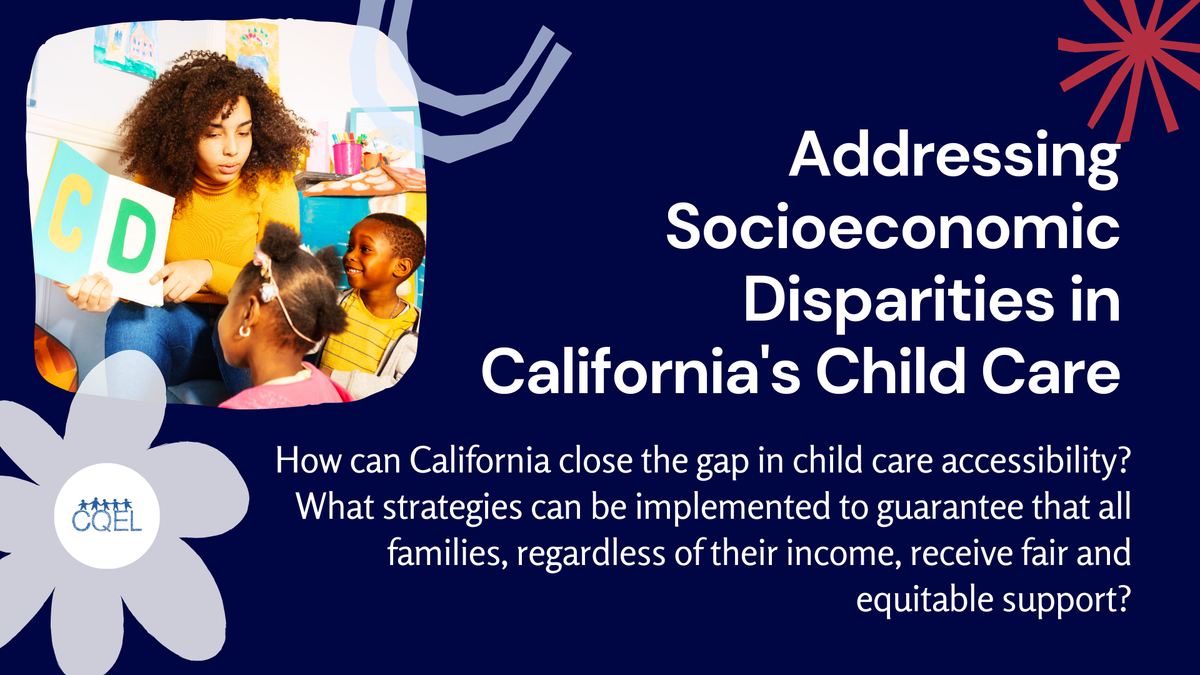
As a parent or caregiver in California, you might find your days filled with juggling duties, meetings, and endless to-do lists, where child care is a crucial part of the equation. But finding affordable, reliable, and high-quality child care can be particularly challenging, especially for families across varying socioeconomic backgrounds. It's a familiar scenario for many, leaving you to wonder: How can we create a system where all children receive equal opportunities for care and education?
As we examine ways to address the socioeconomic challenges faced by California families, it becomes evident that equitable child care solutions are not just a desire but a necessity. Providing access to resources varies significantly across different economic and social backgrounds, creating disparities that affect the most vulnerable families the hardest.
“Every parent deserves the peace of mind that comes with knowing their child is in a safe, nurturing environment while they work to provide for their family.” - California Family Policy Expert
- California families face distinct challenges, among them: Understanding these challenges is the first step toward crafting solutions that can bridge the gaps and offer real support to those who need it most.
- High cost of child care relative to income, making it unaffordable for low-income families.
- Lack of available child care spaces, which exacerbates the problem of accessibility.
- Varied quality of care, which can significantly impact child development and parent stress levels.
Understanding the Socioeconomic Divide in California Childcare
In California, the socioeconomic divide in childcare is a pressing issue that affects families' ability to secure quality early childhood education for their children. This divide stems from a range of factors, such as income inequality, geographical disparities, and varying access to resources. Families in lower-income brackets often find themselves in a difficult position, juggling high childcare costs with other financial demands. This often leads to limited options, forcing many to rely on informal or lower-quality care, which can significantly impact children's development and future opportunities.
Meanwhile, families with higher incomes generally have greater access to high-quality childcare facilities, allowing their children to benefit from enriching educational experiences. This imbalance not only perpetuates the cycle of inequality but also hinders social mobility for many Californians. It's essential to address the root causes of this divide, as equitable access to childcare is crucial for fostering a fair and inclusive society.
Moreover, rural and urban areas experience distinct challenges, with rural regions facing additional hurdles due to fewer available childcare providers and longer distances to reach them. This geographic factor compounds the socioeconomic divide, making it even more difficult for families in underserved areas to access the care their children need.
The Impact of Income Inequality on Childcare Accessibility
When it comes to childcare accessibility, the landscape can be starkly unequal across different income levels. Higher-earning families often have the means to access premium childcare services, which may include features like specialized programs and extended hours. On the other hand, lower-income families frequently struggle to secure even basic childcare that fits their budget, let alone one with such advantageous extras.
This gap in access is further exacerbated by the allocation of child care subsidies. Many low-income families find themselves on lengthy waitlists for subsidized slots, while some may not even qualify due to restrictive eligibility criteria. Consequently, families with limited financial resources might resort to informal arrangements, which may be less reliable and could hinder the child's development.
Another factor contributing to this disparity is the geographical distribution of childcare facilities. Facilities offering high-quality care are often concentrated in areas with higher socioeconomic status, creating "childcare deserts" in underprivileged neighborhoods. This geographic divide means that families might have to travel long distances for quality childcare, adding more expenses and logistical difficulties.
It's essential to address these inequities to ensure that every child has a fair start. By understanding the specific challenges of income inequality in childcare accessibility, stakeholders can work towards creating a system that truly supports all families, regardless of their economic standing.
Exploring Equitable Childcare Solutions for All
It's imperative to innovate approaches that genuinely democratize childcare access. Start by understanding the diverse needs of families. Every family comes with a unique set of circumstances, whether it involves work schedules or cultural preferences. Tailoring solutions to these variables is key. Consider exploring options like sliding scale fees and expanding eligibility for childcare subsidies as effective means of making childcare solutions more inclusive.
Community-based Programs play a pivotal role. By investing in community-driven childcare programs, you foster environments that are attuned to the specific needs of local families. These programs often excel at providing culturally relevant care, addressing language barriers, and enhancing community cohesion.
Moreover, a Robust Childcare Workforce is crucial. Ensuring fair compensation and ongoing professional development for childcare workers not only raises the quality of care but also attracts skilled professionals to the industry. Valuing and supporting those who care for our children ultimately benefits families across the socioeconomic spectrum.
Finally, the need for geographically accessible childcare cannot be ignored. Ensuring facilities are reachable for all families removes a significant barrier to childcare. Solutions like strategically placed childcare centers across cities or transport initiatives can make a big difference.
By integrating these innovative solutions, California can move towards a more equitable childcare system that upholds the dignity and supports the needs of all families.
Government Policies and Their Role in Bridging the Gap
The role of government policies is pivotal in making childcare accessible and equitable for all. By identifying the disparities within the current system, policymakers can devise strategies that not only address today's challenges but also anticipate future needs. This involves establishing a comprehensive framework that prioritizes investment in early care and education, thus allowing for a more balanced socioeconomic landscape.
California's approach must include targeted funding that ensures relief efforts reach those most in need. This means moving beyond a one-size-fits-all strategy and embracing solutions that consider the unique demographics and needs across different regions. Policymakers are encouraged to focus on evidence-based methods that are rooted in measurable outcomes, ensuring the effectiveness of these policies.
Furthermore, government initiatives should also aim to provide incentives for both public and private sectors to participate actively in expanding childcare frameworks. This could include tax breaks for companies that offer robust childcare support, or grants for local facilities committed to enhancing their services in underserved communities. Such collaborations would not only enhance the availability of childcare but also improve its quality, offering parents peace of mind as they pursue employment and educational opportunities.
Ultimately, the goal is to create a sustainable model that supports families while fostering economic growth. By closing the gap between current resources and what's truly needed, California can set a precedent for innovative childcare solutions that specifically address both societal and economic disparities. The path forward requires commitment, creativity, and collaboration among all stakeholders—ensuring that no family is left behind.
The Cost of Childcare: A Barrier for Low-Income Families
You're not alone if you've found high-quality childcare to be a financial juggernaut. The reality is that childcare costs can equal or even surpass rent or mortgage expenses in some areas of California. This presents a significant hurdle for low-income families who are already stretching their budgets to meet the other essentials of living, like food and healthcare.
These financial strains often force families to make incredibly tough choices. Should you seek lower-cost, potentially lower-quality care or opt for informal care solutions which might not be reliable? Some parents even face the daunting decision of reducing their work hours or leaving the workforce entirely to care for their children, further compounding financial instability.
What options, then, exist for families caught in this bind? Organizations and community groups are increasingly stepping in to offer financial assistance or subsidies tailored to alleviate these costs. However, these options are often rare and highly competitive.
Comprehending and discussing the impacts of childcare costs allows us to collectively search for meaningful and sustainable solutions. Highlighting these challenges not only elevates the conversation but also pushes us towards equity-focused reforms that consider every family's unique needs.
The Role of Employers in Supporting Childcare Accessibility
As a conscientious employer, you hold a pivotal role in supporting childcare accessibility. Providing stable childcare solutions yields a trifecta of benefits: enhancing employee satisfaction, cementing loyalty, and ultimately reducing absenteeism and turnover. By investing in childcare support, you’re not just aiding your employees; you’re bolstering your business, forging a more reliable and productive workforce while contributing to the broader economy.
Begin by assessing the childcare needs of your employees. Consider implementing flexible work schedules or remote work options to accommodate parents juggling childcare. Onsite childcare facilities, subsidies, or partnerships with local childcare providers are impactful ways to ease the financial burden on families, making high-quality childcare more accessible.
It's equally crucial to cultivate an inclusive and supportive work environment devoid of discrimination based on parenthood. Embrace policies that facilitate rather than hinder, ensuring parents feel secure in their roles both at home and work. By creating a workplace where parents can thrive, you empower them to remain a vital part of your workforce, enhancing human capital development and contributing positively to economic growth.
Addressing Cultural and Language Barriers in Childcare Services
Understanding the cultural and linguistic diversity that defines California is crucial to providing truly equitable childcare solutions. You may wonder how we can bridge these divides to foster inclusive childcare environments. The first step begins with recognizing that cultural and language differences can lead to misunderstandings and, ultimately, inadequate childcare services for diverse communities. Therefore, creating a welcoming and supportive atmosphere is essential for all families.
One of the ways to address these barriers is through bilingual education and culturally responsive teaching methods in childcare facilities. This not only aids in communication but also ensures children maintain a connection with their cultural heritage. As a parent, you might look for childcare providers who value diversity and offer programs that cater to a variety of cultural backgrounds.
Furthermore, offering professional development opportunities for childcare workers to become familiar with diverse cultural norms and linguistic needs can significantly improve service delivery. Consider advocating for programs and policies that equip educators with the necessary skills and understanding to navigate this diverse landscape effectively.
Finally, community engagement is indispensable. Encouraging open dialogue between childcare providers and families helps in understanding specific needs and expectations. By promoting partnerships with community organizations, you can play a part in facilitating access to culturally and linguistically appropriate resources.
Legislative Efforts to Level the Playing Field
California's legislative maneuvers focus heavily on dismantling the inequalities entrenched in the childcare system. Lawmakers are considering a shift towards a single payment structure that not only aims to eliminate disincentives associated with meeting higher standards but also addresses the pay disparities faced by educators. This foundational change could lead to a more transparent and fair financial ecosystem for childcare services across California, ultimately benefiting both providers and recipients alike.
Policymakers are also homing in on strategies that will effectively equitize the accessibility of child care subsidies. By streamlining cumbersome paperwork and optimizing outreach efforts, the legislative framework is taking strides to ensure timely distribution of relief funds to the families who need them the most. In parallel, adjusting eligibility requirements serves to broaden the safety net for low-income families striving to meet the demands of quality childcare.
An essential part of this legislative movement involves a concentrated investment in the childcare workforce. Efforts are underway to raise the wage floor for homecare and early care educators, aligning with the new generation of minimum wage laws. Public funding dedicated to fair compensation is a critical step not just for the stability of those employed in the sector, but also in building a more resilient and equitable infrastructure for childcare services.
Empowering Families: Resources and Support Services Available
Empowering families involves providing access to a variety of resources and support services that cater to diverse needs. For families in California, enhancing economic security through affordable childcare is crucial. By investing in public resources and programs such as subsidized childcare, California can significantly reduce the financial strain on low-income families, allowing them to focus on economic advancement and personal well-being.
Subsidized Childcare Programs: These programs are designed to offer financial assistance to families who qualify based on their income. They play a vital role in bridging the gap between low-income families and quality childcare options, ensuring every child has access to early education.
Community-Based Initiatives: Local organizations often provide invaluable support services. From parenting classes to child development programs, these initiatives can be a lifeline for families searching for guidance and community support. Engaging with these resources can enrich your knowledge and skills, having a lasting impact on your child’s early years.
Additionally, First 5 California offers a range of resources dedicated to early childhood development, such as educational materials, health care initiatives, and childcare scholarships. By supporting such initiatives, these organizations hope to level the playing field, offering all children, irrespective of their background, a fair start.
Moreover, online platforms and helplines provide readily accessible information and support, offering guidance on navigating the complex world of childcare options and applications for assistance programs. By making this process more transparent and understandable, these services empower you and ensure that you make informed decisions for your family's future.
Embracing these resources not only helps alleviate immediate childcare challenges but also builds a foundation for a more equitable society where every child can thrive. By working together through government support, community initiatives, and accessible information, California can pave the way toward effective and equitable childcare solutions.